


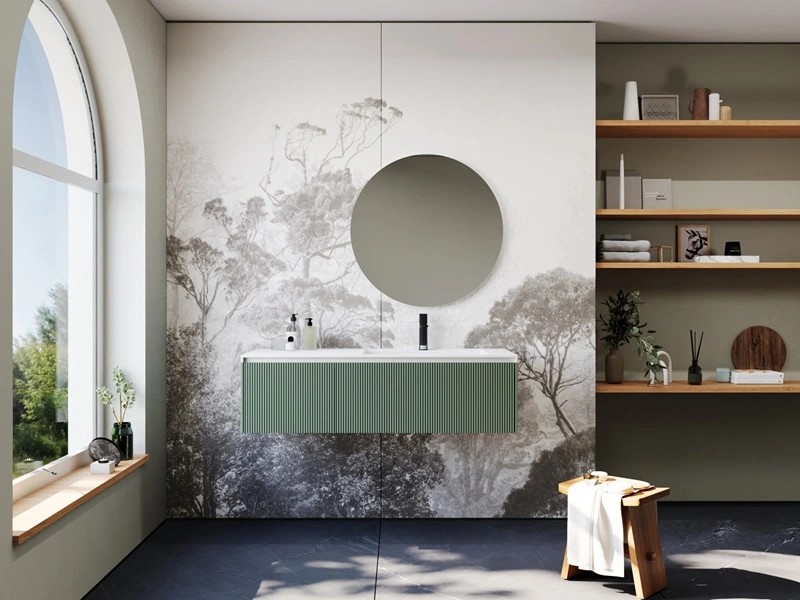
When designing or renovating your bathroom, choosing the right tiles can transform the space into a stylish and functional haven. But what if you love the look of bathroom wall tiles and wonder if they can double as floor tiles? While versatile porcelain decorative bathroom tiles are often a favorite for both walls and floors, not all tiles are created equal. In this guide, we’ll explore whether bathroom wall tiles can be used on floors, what you need to consider, and why porcelain could be your go-to choice for a seamless and durable solution.
Understanding the Differences Between Bathroom Wall and Floor Tiles
When considering whether to use bathroom wall tiles as floor tiles, it’s essential to understand the differences between the two. Wall tiles are typically designed to be lighter and thinner, as they don’t need to bear the weight and pressure that floor tiles endure. They often prioritize aesthetic appeal over strength, offering a smooth and polished finish ideal for vertical surfaces.
Floor tiles, on the other hand, are built to withstand heavy foot traffic, furniture, and daily wear and tear. They are thicker, more durable, and often have higher slip-resistance ratings to prevent accidents. Porcelain tiles, for instance, excel in both strength and style, making them a versatile option for walls and floors alike.
While some bathroom wall tiles may seem suitable for flooring, understanding their material properties and ratings is crucial before making a decision.
Can Porcelain Bathroom Wall Tiles Be Used on Floors?
Yes, porcelain bathroom wall tiles can sometimes be used on floors, but there are important factors to consider before making this choice. Porcelain is a highly durable and versatile material, known for its resistance to water, scratches, and stains. However, not all porcelain tiles are created equal, and their intended use—wall or floor—makes a significant difference.
Porcelain tiles rated for wall use may lack the thickness, durability, or slip resistance required for flooring. On the other hand, some porcelain wall tiles are dual-purpose and can safely be used on floors in low-traffic areas like bathrooms. Always check the tile’s PEI (Porcelain Enamel Institute) rating and slip-resistance (R-rating) to ensure suitability for floors.
For a seamless and stylish look, choosing multi-functional porcelain tiles designed for both walls and floors is often the best approach. This allows you to achieve the desired aesthetic while ensuring the safety and longevity of your flooring.
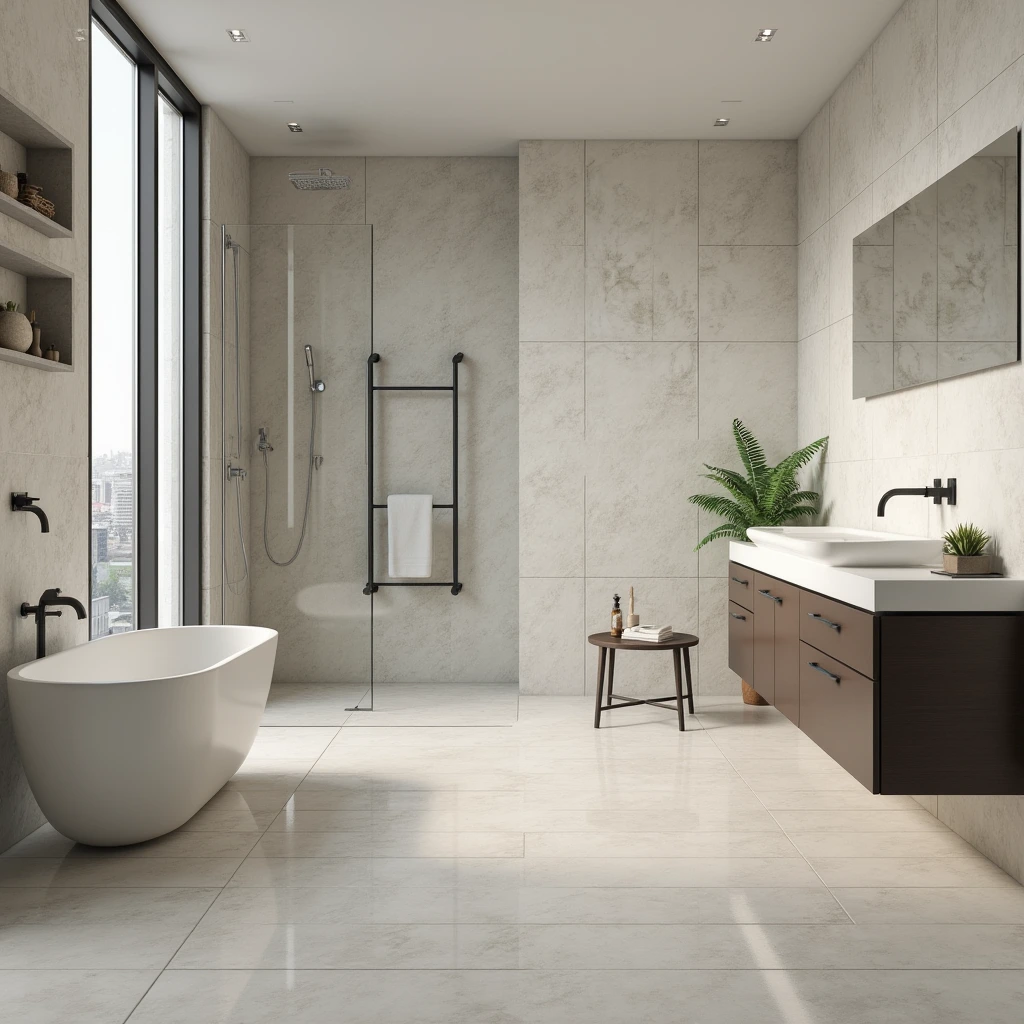
Key Considerations Before Using Bathroom Wall Tiles as Floor Tiles
Using bathroom wall tiles as floor tiles might seem like a creative way to achieve a cohesive look, but there are several important factors to evaluate first:
- Durability and Thickness
Bathroom wall tiles are often thinner and less durable than floor tiles. Ensure the tile is strong enough to withstand foot traffic and furniture pressure, especially in high-use areas. - Slip Resistance
Safety is key when using tiles on the floor. Wall tiles are not always designed with slip-resistant finishes, making them potentially hazardous when placed underfoot. Check for tiles with an appropriate R-rating for flooring. - Tile Ratings and Specifications
Review the tile’s PEI (Porcelain Enamel Institute) rating, which indicates its suitability for floors. Wall tiles with a low PEI rating may not hold up to floor use, while porcelain tiles with higher ratings can be versatile enough for both. - Installation Surface
Consider the surface where the tiles will be installed. Wall tiles may not adhere as effectively to floor substrates if they lack the required strength or surface texture. - Room Functionality and Traffic
For spaces like bathroom with low foot traffic, using bathroom wall tiles as floor tiles may work, especially if they’re porcelain. However, avoid them in high-traffic or moisture-prone areas like kitchens or entryways.
The Role of Tile Ratings: PEI and Slip Resistance Explained
When considering whether to use bathroom wall tiles as floor tiles, understanding tile ratings such as the PEI (Porcelain Enamel Institute) rating and slip resistance is crucial. These standards ensure the tiles are not only aesthetically pleasing but also functional and safe for their intended purpose.
What is the PEI Rating?
The PEI rating measures a tile’s resistance to wear and abrasion. This rating is especially relevant for floor tiles, which endure more physical impact than wall tiles.
- PEI 0–1: Suitable only for walls, as these tiles lack the durability needed for floors.
- PEI 2: Ideal for low-traffic areas like bathroom floors or bathrooms but not recommended for kitchens or entryways.
- PEI 3–5: Designed for medium to high-traffic areas, making them perfect for flooring in busy rooms.
When selecting tiles, check the PEI rating to confirm their compatibility with the intended area. For floors, aim for a rating of at least PEI 2 or higher.
Understanding Slip Resistance
Slip resistance, often indicated by the R-value or COF (Coefficient of Friction), determines how safe a tile is underfoot, particularly in wet conditions.
- R9–R10: Suitable for dry areas or low-traffic spaces like bedrooms.
- R11–R13: Recommended for wet or high-traffic areas such as bathrooms or kitchens.
Floor tiles should have a slip-resistant finish to reduce the risk of accidents, especially in homes with children or elderly residents.
Why These Ratings Matter
Using tiles without considering these ratings can compromise safety and durability. For instance, wall tiles with low PEI ratings may crack under the weight of furniture, and non-slip-resistant tiles can pose hazards in areas prone to moisture.
By evaluating both PEI and slip resistance, you can ensure that your choice of tiles meets both functional and aesthetic requirements, creating a space that is safe, durable, and visually appealing.
Design Inspiration: Matching Wall and Floor Tiles in Your Bathroom
Creating a cohesive design in your bathroom is easier than ever with the versatility of porcelain tiles. Matching wall and floor tiles not only enhances visual harmony but also adds a sense of modern sophistication to your space. Here are some inspiring ideas to help you achieve this look:
1. Neutral Elegance
Use light-toned porcelain tiles with a matte finish for both walls and floors to create a serene and spacious feel. Shades like beige, soft grey, or cream work beautifully to reflect natural light and provide a calming ambiance in your bathroom.
2. Textured Contrast
For a dynamic yet coordinated design, choose tiles with complementary textures. For example, a smooth, glossy finish on the walls paired with slightly textured or wood-look porcelain tiles on the floor can add depth and interest to the room.
3. Monochromatic Minimalism
Opt for a single color palette in porcelain tiles to achieve a minimalist and sophisticated aesthetic. Porcelain tiles with subtle patterns, such as marble veins or concrete effects, can elevate this look without overwhelming the space.
4. Bold Accent Walls
If you prefer a more dramatic style, consider using patterned or decorative porcelain tiles as an accent on one wall, while keeping the floor tiles simpler and in a matching color tone. This creates a focal point while maintaining harmony.
5. Seamless Indoor-Outdoor Flow
Extend matching tiles from the bathroom to an adjoining outdoor space or balcony for a seamless connection between indoors and outdoors. Porcelain tiles are durable enough to handle both environments while maintaining a consistent aesthetic.
6. Warm and Cozy with Wood-Look Tiles
Porcelain tiles that mimic the appearance of natural wood can create a warm and inviting bathroom. Matching wood-look tiles on both walls and floors enhances the cozy vibe while offering the practicality of porcelain.
Expert Tips for Installing Wall Tiles as Floor Tiles
Repurposing bathroom wall tiles as floor tiles can be a creative way to achieve a cohesive and unique design. However, the process requires careful planning and execution to ensure durability, safety, and style. Here are expert tips to guide you:
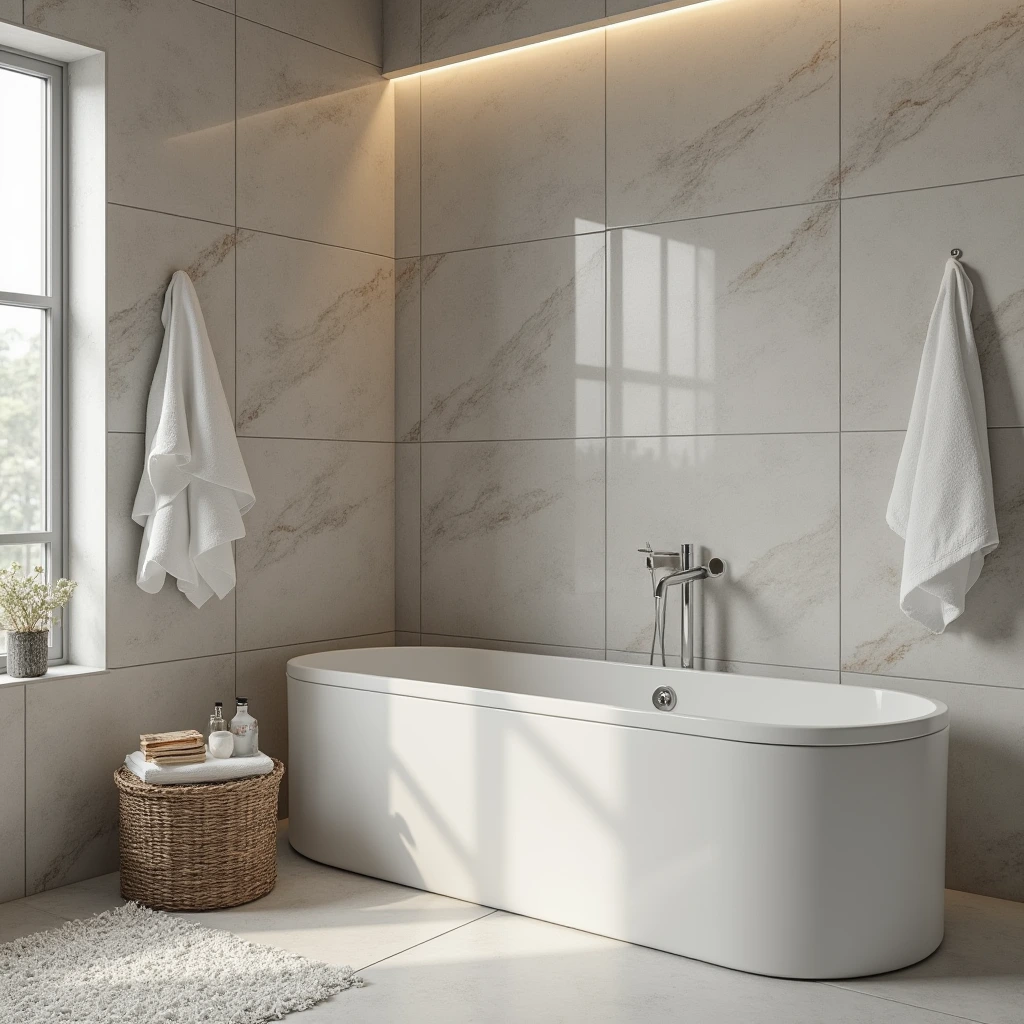
1. Choose the Right Adhesive for Wall Tiles on Floors
Wall tiles are often lighter and smoother on the back, making them more challenging to adhere securely to floors. Use a high-strength, flexible adhesive specifically designed for heavy-duty applications to prevent tiles from shifting or lifting over time.
2. Prepare the Floor Surface Thoroughly
A stable and even substrate is essential when installing wall tiles on floors. Clean and level the surface, ensuring it is free from dust, debris, or cracks. Uneven surfaces can cause tiles to break under pressure.
3. Reinforce with Proper Grout and Spacing
Floor installations require wider grout lines than walls to absorb movement and provide additional stability. Choose a high-quality, waterproof grout to enhance durability, especially in areas like bathrooms where moisture is common.
4. Test the Tiles for Weight Tolerance
Not all bathroom wall tiles can handle the weight of furniture and regular foot traffic. Before committing to the installation, place a sample tile under pressure to ensure it can withstand the intended load without cracking.
5. Prioritize Slip Resistance During Placement
Even if the tiles don’t have a textured surface, proper placement and finishing can improve safety. For example, applying a slip-resistant sealant or opting for smaller tiles with more grout lines can enhance traction on smooth tiles.
6. Limit Use to Low-Traffic Areas
If you’re set on using wall tiles for flooring, start with low-traffic spaces like bathrooms rather than high-traffic areas like entryways or kitchens. This minimizes the risk of wear and tear and ensures longevity.
7. Consider Overlaying with Protective Coatings
For wall tiles that lack the durability of floor tiles, applying a protective coating post-installation can extend their lifespan and reduce susceptibility to scratches or stains.
8. Consult Professionals for Unique Projects
If you’re unsure about the suitability of using bathroom wall tiles as floor tiles, consult a tile expert or contractor. They can assess the tile type, space, and installation conditions to provide tailored advice for your project.
How to Identify Floor-Safe Bathroom Wall Tiles
Using bathroom wall tiles as floor tiles requires careful assessment to ensure they can handle the demands of flooring. While wall tiles are generally designed for vertical applications, some can transition to floors if they meet certain criteria. Here’s how to identify floor-safe bathroom wall tiles:
1. Check the Tile’s Material
Porcelain is a preferred material for multi-use tiles due to its density, low water absorption, and exceptional durability. If the wall tiles are made of porcelain, there’s a higher likelihood they can be safely used on floors. Ceramic wall tiles, on the other hand, are typically less durable and better suited to walls only.
2. Look for the PEI Rating
The Porcelain Enamel Institute (PEI) rating measures the wear resistance of tiles. A rating of PEI 3 or higher indicates the tile is suitable for floors. Wall tiles with a PEI rating of 1 or 2 are not floor-safe, as they can’t withstand foot traffic or heavy loads.
3. Assess Thickness and Strength
Floor-safe tiles are generally thicker and sturdier than standard wall tiles. Thin or lightweight wall tiles may crack or chip under pressure, so it’s crucial to measure the tile’s thickness and confirm it can handle the demands of a floor installation.
4. Examine the Slip Resistance Rating
Floor tiles must provide adequate traction to prevent slips and falls. Look for a slip resistance rating, such as an R-value (R9 to R13) or COF (Coefficient of Friction). Wall tiles without these ratings may lack the necessary surface grip for flooring, especially in moisture-prone areas.
5. Test the Tile for Impact Resistance
Before installing wall tiles on the floor, test a sample by applying pressure or dropping a small object onto the surface. This will help determine if the tile can endure the impact and weight of regular use without breaking.
6. Consider Manufacturer Recommendations
Tile manufacturers often specify whether a tile is suitable for walls, floors, or both. Check the product specifications for dual-purpose tiles, which are designed to meet the standards of both applications.
7. Evaluate the Tile’s Finish
Glossy finishes may look stunning on walls but can become dangerously slippery when used on floors. Opt for tiles with matte or textured finishes if you’re considering them for flooring.
8. Inspect Edge Treatments
Tiles with sharp or uneven edges may not be ideal for floors, as they can create uneven surfaces or pose tripping hazards. Choose tiles with clean, rectified edges for a smoother and safer installation.
The Long-Term Impact of Using Wall Tiles as Floor Tiles
Using bathroom wall tiles as floor tiles can achieve a visually cohesive design, but it’s important to consider the potential long-term implications. While the immediate results might look stunning, the durability, safety, and maintenance requirements over time could vary significantly depending on the tiles you choose and the conditions of their use.
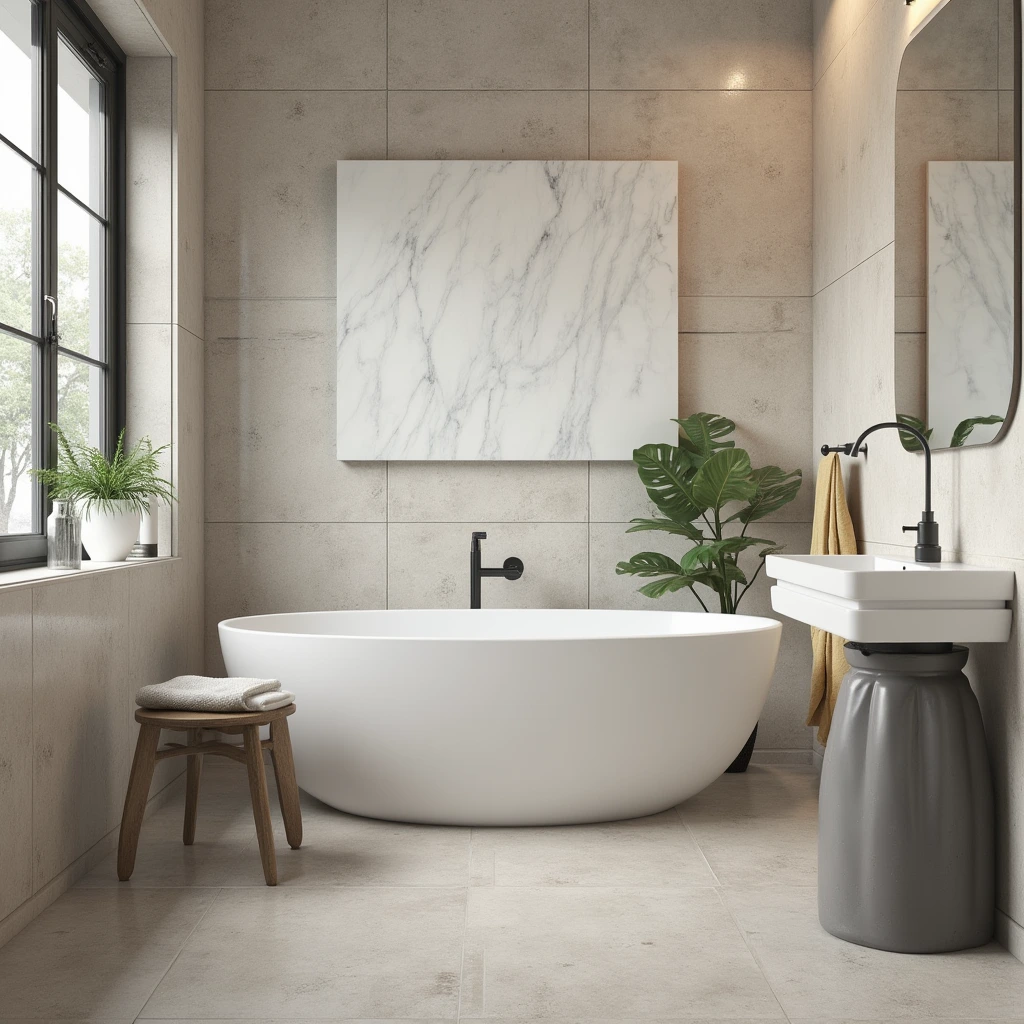
1. Durability Concerns Over Time
Wall tiles are generally thinner and less robust than floor tiles. Over time, their inability to handle consistent weight and pressure can lead to cracking, chipping, or even complete failure in high-traffic areas. Porcelain wall tiles, however, tend to fare better due to their superior strength compared to ceramic options.
2. Increased Maintenance Needs
Wall tiles used as flooring may demand more upkeep in the long run. Smooth or glossy finishes, commonly found in wall tiles, are prone to scratching and may show dirt, scuffs, or wear more visibly than tiles designed specifically for floors. Regular resealing or protective treatments may become necessary to maintain their appearance.
3. Potential Safety Issues
Without slip-resistant coatings, wall tiles used on floors can become slippery, especially in moisture-prone areas or during cleaning. This poses safety risks, particularly for households with children or elderly residents. Over time, addressing such hazards could require additional investments in rugs, mats, or surface treatments.
4. Aesthetic Wear and Tear
While wall tiles might look elegant on the floor initially, their finishes may not hold up under prolonged exposure to foot traffic. Fading, surface dulling, or uneven wear patterns could detract from their aesthetic appeal, potentially prompting premature replacements.
5. Structural Challenges
Flooring endures temperature fluctuations, heavy impacts, and shifts in structural pressure that wall tiles aren’t designed to withstand. Over years, these stresses could compromise the adhesive bond or lead to tiles detaching, especially if the substrate wasn’t adequately prepared for non-floor-rated tiles.
6. Long-Term Cost Implications
Although using wall tiles on floors might seem like a budget-friendly choice upfront, the potential need for repairs, replacements, or additional treatments can increase long-term costs. Investing in tiles specifically rated for both walls and floors, such as high-quality porcelain options, often proves more cost-effective over time.
7. Resale Value Considerations
Improper use of materials in home design can sometimes deter potential buyers. If wall tiles used on floors show signs of damage or appear unsuitable, it could impact the overall impression and value of your property during resale.
Are Dual-Purpose Tiles Worth the Investment?
Yes, dual-purpose tiles are absolutely worth the investment for homeowners seeking versatility, durability, and long-term value. These tiles, often made of porcelain, are specifically designed to meet the demands of both wall and floor applications, offering the perfect balance of strength and style.
Unlike standard wall tiles, dual-purpose tiles are built to handle foot traffic, heavy loads, and wear without compromising aesthetics. While their initial cost may be higher, they save you from future repairs, replacements, or safety concerns caused by using inappropriate tiles. For seamless design and practical functionality, dual-purpose tiles are a smart and reliable choice.