


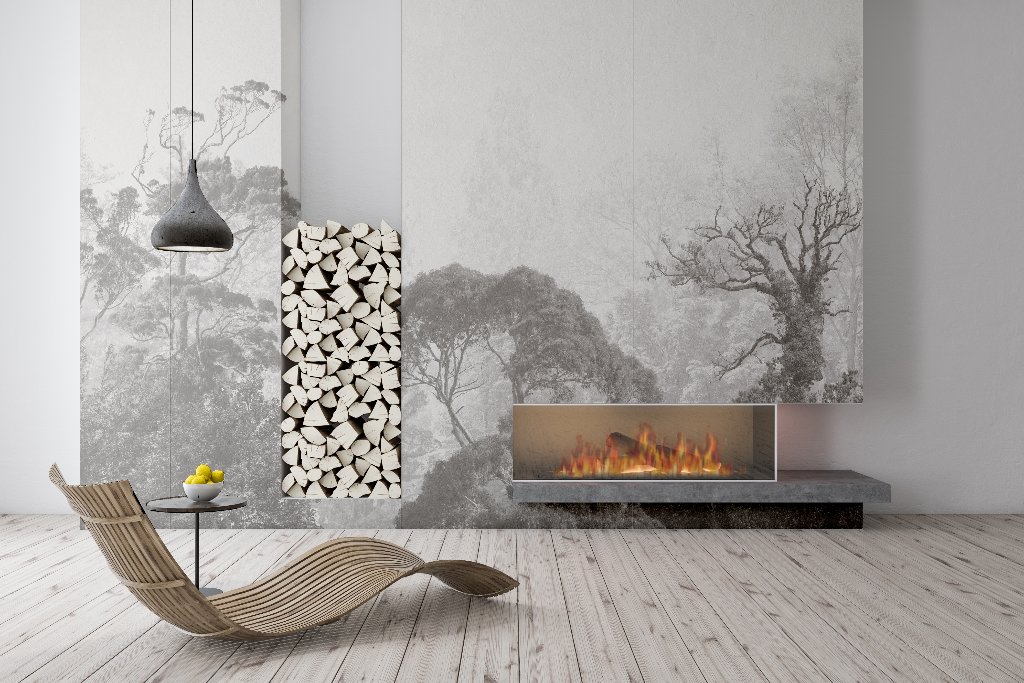
Looking to refresh your outdated brick fireplace? Installing tile over a brick fireplace is one of the most stylish and cost-effective ways to give your living space a modern, elegant upgrade. Whether you’re aiming for a cozy rustic vibe or a sleek contemporary look, tiling over brick offers endless design potential — and it’s more doable than you think. In this guide, we’ll explore the best tile options and walk you through how to tile over a brick fireplace step by step.
Can You Tile Over a Brick Fireplace?
When It’s Possible and When It’s Not
Yes, you can tile over a brick fireplace — but only under the right conditions. If the brick is structurally sound, dry, and relatively flat, it provides a suitable surface for tiling. However, if your fireplace has crumbling mortar, loose bricks, or significant unevenness, you’ll need to address those issues before tiling.
When tiling over brick is possible:
- The brick is firmly attached and doesn’t move.
- The surface is not overly glossy or sealed with non-bonding coatings.
- The fireplace isn’t exposed to moisture (e.g., outdoor setups).
When tiling over brick is not recommended:
- Bricks are damaged or cracked.
- Mortar is falling apart.
- Surface has excessive soot or is covered in sealants that prevent adhesion.
Before you start, it’s crucial to assess the condition of your brick fireplace. If it’s not up to par, repairing or resurfacing it first is a must for long-term tile durability.
Preparation Tips: Cleaning, Leveling, and Priming
Proper prep work is the foundation of a successful tile-over-brick project. Here’s what you need to do before placing a single tile:
- Clean the brick surface thoroughly
Remove all soot, dust, and grease using a stiff brush, mild detergent, and warm water. For stubborn buildup, a degreaser or trisodium phosphate (TSP) solution may be needed. Let the surface dry completely. - Repair and level the surface
Use a concrete patch or thin-set mortar to fill in deep joints, cracks, or holes. For uneven surfaces, apply a skim coat to create a flat, level base for your tiles. - Apply a high-quality primer or bonding agent
A masonry bonding primer improves adhesion between the tile mortar and the brick. This step is especially important if the brick has a dusty or chalky finish.
Once your surface is prepped, you’re ready for tile selection — and choosing the right style can transform your entire room.
Step-by-Step Guide: Tiling Over a Brick Fireplace
Tiling over a brick fireplace may seem intimidating, but with the right tools and a clear plan, it’s a project well within reach for many DIYers. Follow these steps to ensure a smooth installation and lasting finish.
1. Gather Your Materials
Before you begin to tile over a brick fireplace, make sure you have everything on hand:
- Thin-set mortar (or tile adhesive rated for masonry)
- Notched trowel
- Tile spacers
- Level
- Tile cutter or wet saw
- Bonding primer (if needed)
- Sponge and bucket
- Grout and float
- Painter’s tape and drop cloths
2. Prep the Work Area
Cover nearby flooring and furniture to protect from debris or adhesive spills. Tape off areas around the fireplace to maintain clean lines.
3. Apply Bonding Primer (If Required)
If your brick surface is porous or chalky, apply a masonry bonding primer. This helps the adhesive grip the brick more securely and improves the longevity of the tile installation.
4. Start with a Dry Layout
Before applying adhesive, do a dry layout of your tile pattern — especially around focal areas like the firebox. This helps you avoid awkward cuts and ensures a balanced, symmetrical look.
5. Apply Thin-Set Mortar
Using a notched trowel, spread the thin-set mortar in small sections over the brick surface. Comb the mortar with the notched side of the trowel to create even ridges for optimal tile adhesion.
6. Place the Tiles
Firmly press each tile into place, starting from the bottom center and working outward and upward. Use tile spacers to ensure consistent grout lines and a professional finish.
7. Cut Tiles as Needed
Use a wet saw or tile cutter to trim tiles for edges, corners, or tight spaces. Always measure twice to avoid waste and ensure precision.
8. Let the Adhesive Cure
Allow the thin-set mortar to cure for at least 24 hours before applying grout. Don’t rush this step — proper curing ensures tiles won’t shift or loosen over time.
9. Apply Grout
Once the adhesive is dry, remove spacers and apply grout using a rubber float. Press grout firmly into joints, then wipe excess with a damp sponge. Allow the grout to dry per manufacturer’s instructions.
10. Seal and Finish
If using porous tiles or grout, apply a sealant to protect against stains and moisture. Clean the tile surface thoroughly, remove any haze, and you’re done with tiling over a brick fireplace!
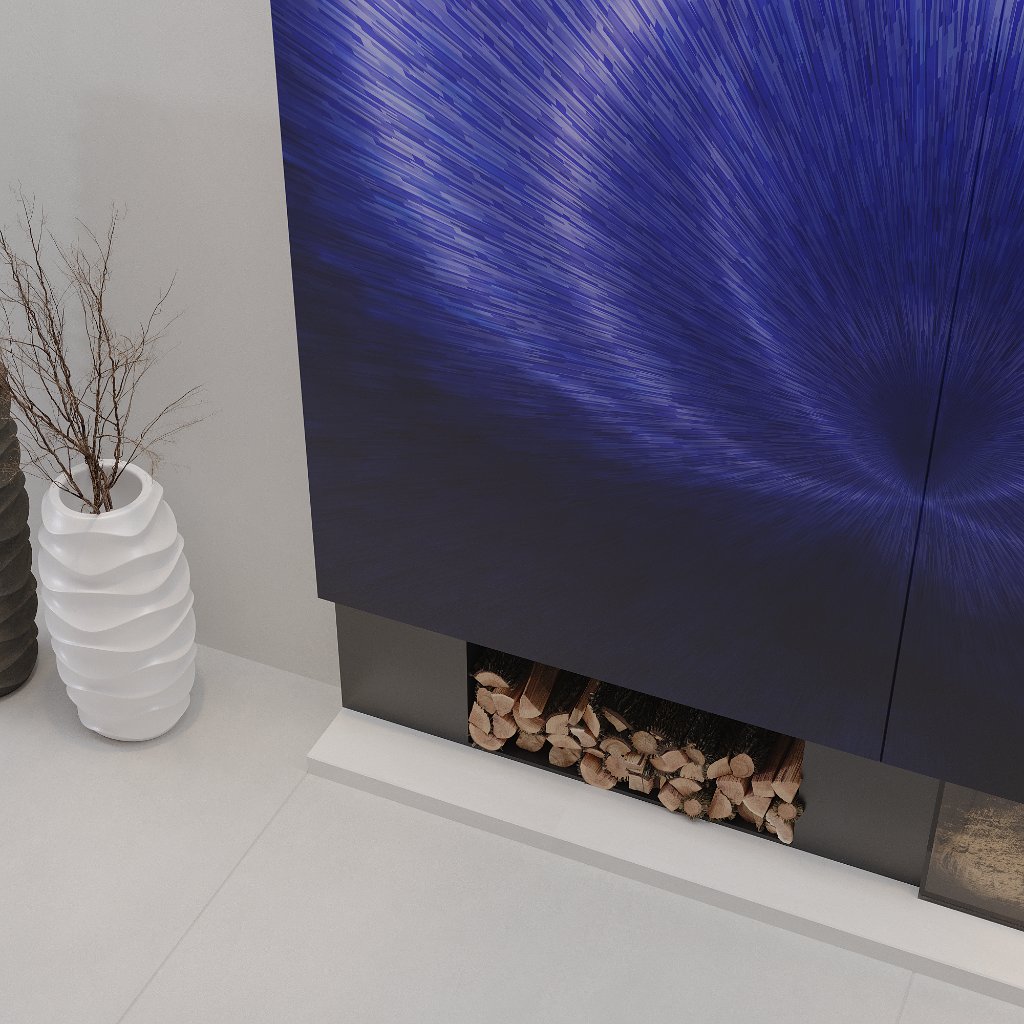
Top Tile Options for Fireplace Makeovers
Choosing the right tile is key when planning to tile over a brick fireplace. The right material can enhance heat resistance, style, and overall impact. Let’s explore the most popular options:
Ceramic Tile
Ceramic tile is a budget-friendly and versatile option for fireplace upgrades. It comes in a wide variety of colors, patterns, and finishes — making it easy to match your interior aesthetic. While ceramic is durable, it’s slightly more prone to cracking under extreme temperature changes compared to porcelain.
Best for: Decorative surrounds, low-heat zones, and classic or contemporary looks on a budget.
Check out Famarella’s decorative fireplace tiles.
Natural Stone Tile
Natural stone tiles like slate, marble, or travertine bring an organic, timeless feel to any fireplace. They’re naturally heat-resistant and can transform your brick fireplace into a high-end focal point. However, they often require sealing and regular maintenance.
Best for: Rustic, traditional, or luxury interior designs.
Glass Tile
Glass tile adds a sleek, modern aesthetic with its reflective surface and vibrant colors. It’s especially eye-catching when paired with accent lighting. While it can withstand fireplace heat, installation over brick requires extra prep and a perfectly level surface.
Best for: Contemporary spaces looking for visual sparkle and light play.
There is another material which works the best in our opinion. Let’s dive deeper into it
Porcelain Tile
Porcelain tile is one of the most durable and stylish options you can choose for a fireplace makeover. Known for its exceptional heat resistance, low maintenance, and wide range of design styles, it’s a top performer — especially when you’re planning to tile over a brick fireplace.
While it may cost slightly more upfront than ceramic, its long-term value and aesthetic versatility make it a smart investment for your fireplace surround. In fact, porcelain deserves a spotlight of its own — and in the next section, we’ll break down exactly why it’s the best tile choice for fireplace projects.
Checkout our decorative porcelain tiles.
The Ultimate Choice for Tiling Over Brick
If you’re aiming for a long-lasting, stylish, and low-maintenance upgrade, porcelain tile stands out as the top choice to tile over a brick fireplace. Here’s why it deserves the spotlight:
Heat Resistance & Thermal Stability
Porcelain tile is fired at extremely high temperatures, making it incredibly dense and heat-resistant. It won’t warp, crack, or discolor when exposed to fireplace temperatures, making it ideal for direct surround installations.
Why it matters: Your fireplace gets hot — and porcelain handles it like a pro.
Low Maintenance and Long-Term Durability
Unlike natural stone, porcelain doesn’t need sealing. It’s resistant to stains, scratches, and fading. Once installed, you can enjoy its beauty for decades with minimal upkeep.
Perfect for busy homes: No fuss, no frequent resealing — just wipe and go.
Endless Design Options (Matte, Stone-Look, Wood-Look, etc.)
From soft matte finishes to ultra-modern high-gloss styles, porcelain tiles come in endless designs. Love the look of marble or reclaimed wood? Porcelain can mimic them at a fraction of the cost — without sacrificing performance.
Design flexibility: Whether your style is farmhouse chic, modern minimalist, or industrial, there’s a porcelain tile for it.
Works Well Over Brick and Mortar with Proper Prep
Porcelain’s density makes it heavy-duty, but when paired with the right adhesive and surface prep, it bonds beautifully over brick. Thanks to its flatness and consistent sizing, you’ll get crisp grout lines and a professional finish.
Pro Tip: Use a high-performance thin-set mortar and bonding primer to ensure the tiles stay put — even on irregular brick surfaces.
Style Ideas for Tiling Over Brick
Ready to reimagine your fireplace? Here are some stunning porcelain tile styles to consider when planning to tile over a brick fireplace — whether you love classic charm or a sleek, modern look.
Classic Marble-Look Porcelain
Love the elegance of marble but not the maintenance? Marble-look porcelain tiles offer timeless beauty with none of the hassle. Think soft veining, white or gray tones, and a polished or honed finish that elevates any living room.
Perfect for: Traditional interiors, transitional spaces, or anyone who loves luxury on a budget.
Textured or 3D Porcelain for Modern Impact
Add depth and architectural interest with textured or 3D porcelain tiles. These sculpted surfaces play with light and shadow, giving your fireplace a bold, modern edge — especially in neutral or monochrome tones.
Perfect for: Contemporary, industrial, or statement-making designs.
Large Format Porcelain Slabs for Seamless Finish
When tiling over a brick fireplace, we recommend going bold with large format porcelain tiles or slabs that reduce grout lines and create a clean, uninterrupted flow. These tiles are ideal for minimalist spaces and can make small rooms feel bigger.
Pro Tip: When installed properly over brick, large tiles deliver a seamless, high-end look.
Minimalist Matte Black or White Styles
Minimalist doesn’t mean boring. Matte black or soft white porcelain tiles provide a sleek, sophisticated backdrop for modern décor. They’re also great for contrasting wood accents or colorful furniture.
Perfect for: Scandinavian, modern farmhouse, or urban loft aesthetics.
FAQs About Tiling Over Brick Fireplaces
Will tile stick to brick?
Yes — tile can stick to brick as long as the surface is clean, stable, and properly prepped. Using the right bonding primer and mortar ensures strong adhesion.
What is the best adhesive for tile over brick?
A high-quality, polymer-modified thin-set mortar is the best adhesive for installing tile over brick. It’s designed to bond to rough, porous surfaces and withstand high temperatures.
Can I use large porcelain tiles on a fireplace surround?
Absolutely. Large format porcelain tiles are not only suitable but highly recommended for a sleek, seamless finish. Just make sure the brick surface is even and reinforced during prep.
Do I need a backer board over the brick?
In most cases, you don’t need a backer board if the brick is in good condition. However, if the brick is severely uneven or damaged, installing a cement backer board may help create a flat, stable surface.