


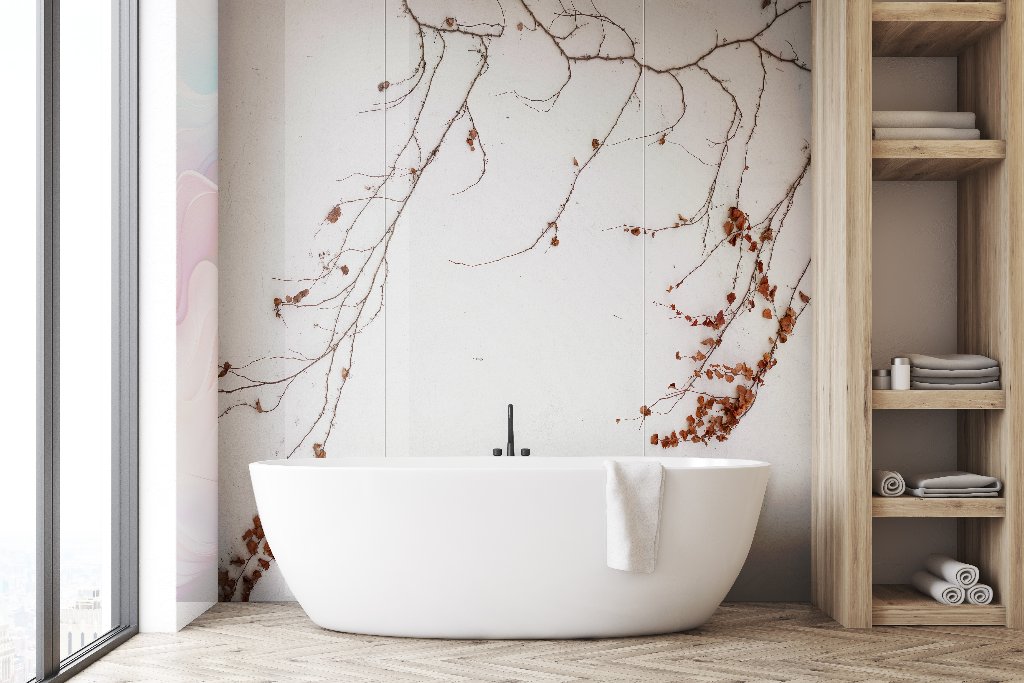
Wondering if you can use porcelain floor tiles on shower walls? You’re not alone. With its durability, water resistance, and modern design options, porcelain is a favorite for bathrooms — but using floor-rated tiles on walls comes with unique considerations. In this guide, we’ll explore the pros and cons, design ideas, and expert tips to help you decide if it’s the right move for your shower upgrade.
Can You Really Use Porcelain Floor Tiles on Shower Walls?
The Short Answer: Yes — But With Some Considerations
Yes, you can absolutely use porcelain floor tiles on shower walls, and many designers do so to achieve a cohesive, modern look. Porcelain is naturally water-resistant, durable, and stylish — all must-haves for shower applications. However, not all porcelain floor tiles are created equal, and a few factors must be checked before moving forward.
From weight and texture to slip rating and installation method, certain specs matter more when a floor tile goes vertical.
Key Factors to Keep in Mind (Weight, Texture, Finish)
- Weight: Floor tiles are often thicker and heavier than wall tiles. Ensure your walls (especially if they’re drywall or backer board) can support the added load.
- Texture: Some floor tiles have anti-slip textures that can feel too rough or even abrasive on the wall — especially in small showers.
- Finish: Glossy finishes can make cleaning easier and create a sleek look. But avoid overly polished surfaces if you’re aiming for a more natural or spa-like aesthetic.
- Installation: Use the correct mortar and proper support while installing heavier tiles to avoid sagging or failure.
Pro Tip: Always check the manufacturer’s specs — if it says “wall-suitable,” you’re good to go.
Why Porcelain Floor Tiles Can Be Ideal for Shower Walls
Higher Durability & Moisture Resistance
Porcelain is fired at extremely high temperatures, making it denser and more impervious to water than many other materials. When used on shower walls, porcelain floor tile stands up to daily moisture, steam, and temperature changes — without warping, staining, or degrading over time.
More Design Variety — From Stone-Look to Wood-Look
One of the best reasons to use porcelain floor tiles on shower walls is design flexibility. You can achieve the look of luxurious marble, rustic wood, raw concrete, or natural stone — all without the upkeep. These tiles often come in rich, high-end finishes not commonly available in standard wall tile collections. (Another perfect option is decorative porcelain shower tiles which can enhance your bathroom’s overall aesthetics)
Seamless Look with Matching Floor & Wall Tiles
Using the same porcelain tile across both your floor and shower walls creates a clean, unified look. This seamless design makes the space appear larger and more modern — especially when paired with minimal grout lines and color-matched caulk.
Pro Tip: For small bathrooms or walk-in showers, this strategy boosts visual flow and adds a custom-designed feel.
Great for Large Format Designs
Large format porcelain tiles (think 12″x24″ or bigger) are often categorized as floor tiles — but they’re excellent for wall use when installed correctly. They minimize grout lines, reduce visual clutter, and offer a sleek, spa-like finish that’s both functional and luxurious.
What to Watch Out For
While using porcelain floor tiles on shower walls offers great design and durability benefits, a few challenges can arise if you’re not prepared. Here’s what to keep in mind before you start tiling.
Tile Weight and Proper Wall Support
Porcelain floor tiles are denser and heavier than standard wall tiles. Before installation, make sure your wall structure — whether it’s cement backer board or a waterproof wall system — can handle the weight. You may also need temporary supports or ledger boards to hold tiles in place during curing.
Pro Tip: Always follow the manufacturer’s weight load guidelines for vertical applications.
Slip Resistance on Walls? (Not Needed — But Consider Finish)
Slip resistance ratings (like COF) matter for floors, not walls. However, some anti-slip finishes on floor tiles can feel rough or gritty on walls — and might not be pleasant in a confined shower space. Choose a smooth or soft-matte finish for comfort and visual appeal.
Installation Tips: Adhesives, Grout, Waterproofing
- Use a high-quality polymer-modified thinset mortar that supports heavier tile and resists moisture.
- Grout with waterproof or mold-resistant formulas, and seal if required (especially with textured or matte finishes).
- Always prep your shower wall with a proper waterproofing membrane to protect against leaks — even with water-resistant tile.
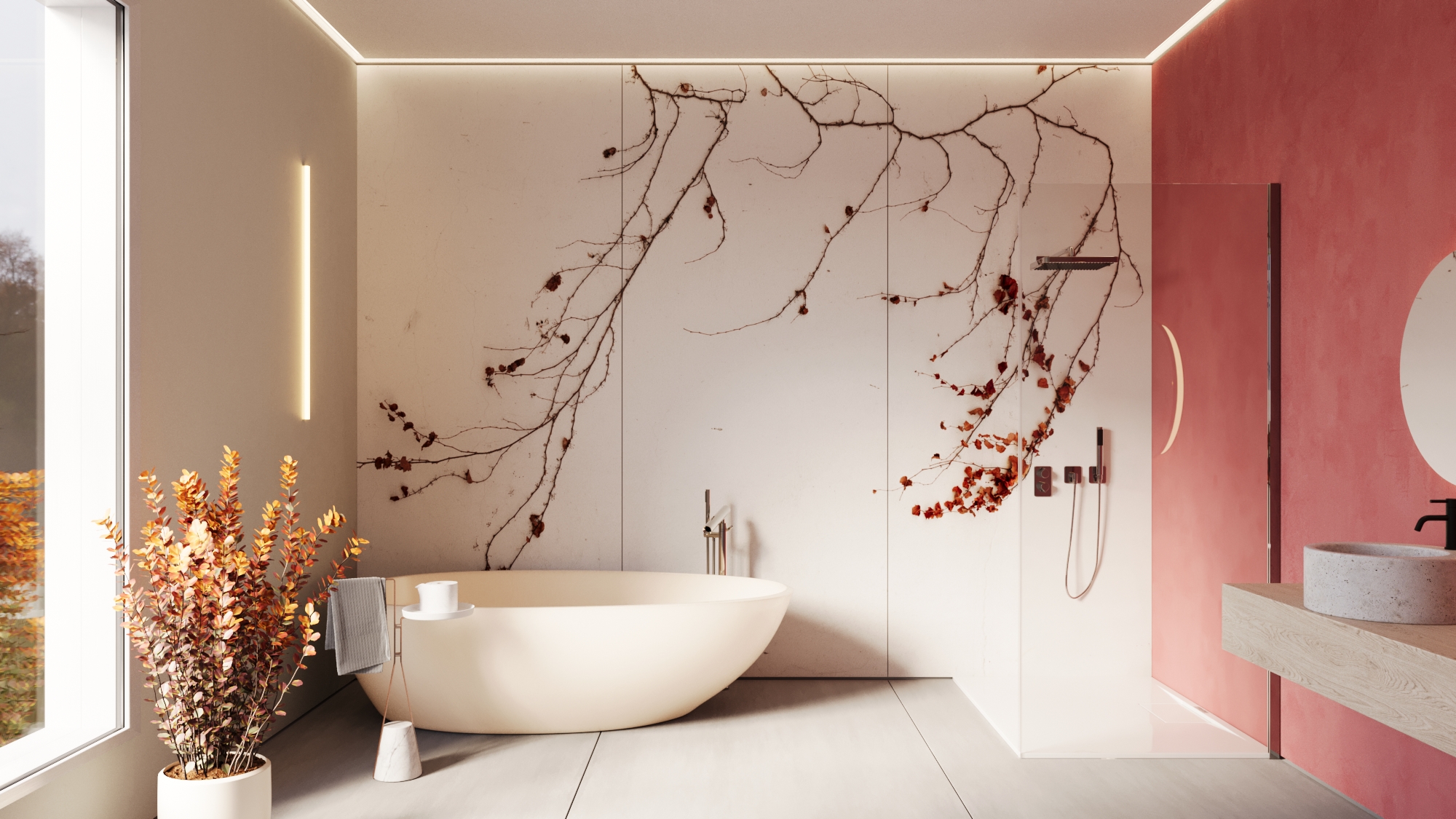
Best Porcelain Floor Tile Styles for Shower Walls
If you’re planning to use porcelain floor tiles on shower walls, design options are almost endless. Here are some of the most popular and practical choices for a stylish, long-lasting upgrade.
Large Format Minimalist Styles
Clean, oversized tiles in neutral tones like beige, gray, or ivory create a modern, open-space feel. Fewer grout lines mean easier cleaning and a polished, high-end aesthetic. This is one of the best ways to give your shower a spa-like, uncluttered look.
Matte Marble-Look Porcelain
Get the elegance of Carrara or Calacatta marble — without the staining, etching, or maintenance. Matte marble-look porcelain floor tiles are perfect for shower walls and bring timeless sophistication with better slip resistance and durability.
Bonus: Matte finishes also help mask water spots and streaks.
Textured Stone or Slate Looks
Prefer a more natural, earthy vibe? Textured stone-look or slate-look porcelain tiles add depth and character to any shower wall. Their subtle surface details and organic tones bring warmth and texture, especially in rustic or contemporary bathrooms.
Matching Floor-to-Wall Designs for Spa-Like Showers
Using the same porcelain floor tiles on shower walls and floors creates a seamless, spa-inspired design. Whether you’re using soft concrete tones, warm taupes, or cool grays, this strategy enhances visual flow and makes even small showers feel bigger and more luxurious.
FAQs About Floor Tiles on Shower Walls
Is it safe to use floor tiles on shower walls?
Yes, it is safe to use porcelain floor tiles on shower walls, as long as you choose the right type of tile and ensure proper installation. Porcelain is naturally moisture-resistant, durable, and ideal for wet areas like showers. However, it’s crucial to check that the tiles are properly supported and that you’re using appropriate adhesive and grout for vertical applications.
Are porcelain floor tiles too heavy for vertical installation?
Porcelain floor tiles can be heavier than standard wall tiles, so it’s important to ensure that your shower walls are properly supported. With proper preparation — like using cement backer board and the right adhesives — you can safely install heavier floor tiles on your shower walls. Always check the manufacturer’s guidelines for weight specifications.
Do I need special adhesive for heavy wall tiles?
Yes, when installing porcelain floor tiles on shower walls, you’ll need a high-quality, polymer-modified thinset mortar that is specifically designed for heavier tiles. This type of adhesive provides strong bonding and ensures the tiles stay in place even in wet, high-moisture environments.
What’s the benefit of matching floor and wall tiles?
Using matching porcelain floor tiles on shower walls creates a seamless, cohesive design that makes the space feel larger and more elegant. This approach eliminates visual barriers between the floor and walls, giving the room a modern, spa-like atmosphere. Plus, it’s easier to maintain and keeps the overall aesthetic streamlined.