


Is Porcelain Tile Waterproof or Just Water-Resistant?
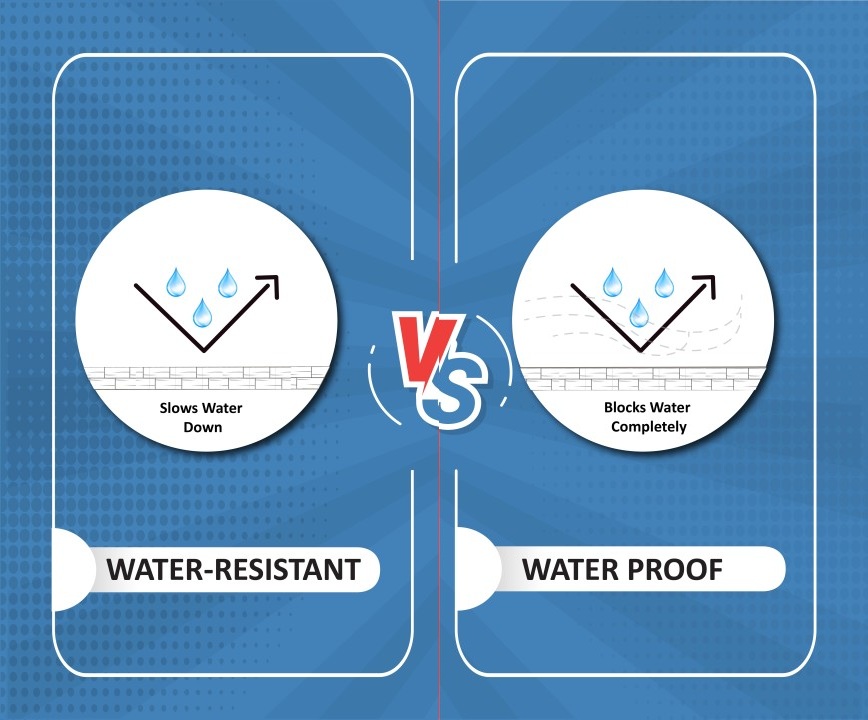
Table of content
When choosing flooring or wall tiles for kitchens, bathrooms, or outdoor areas, a key question comes up:
Is porcelain tile waterproof, or is it just water-resistant?
Understanding the difference is critical to protecting your home, avoiding costly damage, and choosing the right tile for your project.
The short answer is: Porcelain tile is considered “impervious” to water.
While technically no masonry product is 100% waterproof in the scientific sense (like a sheet of plastic or glass might be), porcelain is as close as it gets in the flooring world. However, the tile itself is only half the battle.
Here is the breakdown of why porcelain is the king of wet areas and where the potential risks actually lie.
Porcelain Tile 101: What You Need to Know
To be legally classified as “porcelain” rather than standard ceramic, a tile must meet strict international standards (ANSI A137.1). The most important standard is water absorption.
- Porcelain Tile: Must have a water absorption rate of 0.5% or less. This means if you weigh a tile, soak it in water for 24 hours, and weigh it again, it will have gained less than half a percent in weight.
- Ceramic Tile: Typically has an absorption rate between 3% and 7%.
- Natural Stone: Can be highly porous depending on the stone (travertine and sandstone drink water like a sponge).
In practical terms: If you spill a glass of wine on a porcelain tile and leave it there for a week, the tile will not absorb the liquid. For residential and commercial purposes, porcelain is functionally waterproof.
The “Weak Link”: It’s Not the Tile, It’s the Grout
While the porcelain tile itself is an impenetrable shield, the installation system is not. This is the most common misconception homeowners have.
- The Grout Lines
Standard cement-based grout is porous. Even if your tile repels water, the joints between them can absorb moisture.
- The Fix: You must seal cement grout, or opt for epoxy grout or urethane grout, which are truly waterproof.
- The Subfloor
If water manages to get through a crack in the grout, it can damage the wood subfloor beneath.
- The Fix: In wet areas like showers, a waterproofing membrane (like Schluter-KERDI or RedGard) must be installed under the tile. The tile is the aesthetic surface; the membrane is the actual “waterproofing.”
Why Choose Porcelain for Wet Areas?
Beyond just repelling water, the low absorption rate of porcelain offers several high-value benefits for homeowners:
1. Frost Resistance (Outdoor Capability)
Because porcelain absorbs almost no water, it doesn’t crack when the temperature drops below freezing.
- The Science: When water freezes, it expands. If a porous tile (like standard ceramic) absorbs rain and then freezes, the ice inside will shatter the tile. Porcelain is “frost-proof,” making it ideal for patios in cold climates.
2. Stain Resistance
Low porosity means low staining. Liquids like red wine, coffee, or oil cannot penetrate the dense surface of the tile, meaning they sit on top until you wipe them away.
3. Hygiene and Mold Prevention
Mold and mildew need moisture to grow. Since porcelain doesn’t hold moisture, it inhibits the growth of bacteria and mold, making it a sanitary choice for bathrooms and kitchens.
Comparison: How Porcelain Stacks Up
Here is a quick reference guide to how porcelain compares to other materials regarding water handling.
| Material | Water Absorption | Classification | Best For |
| Porcelain | ≤ 0.5% | Impervious | Showers, pools, outdoors, kitchens. |
| Vitreous Ceramic | 0.5% – 3% | Vitreous | Indoor bathrooms, laundry rooms. |
| Standard Ceramic | 3% – 7% | Semi-Vitreous | Dry indoor areas, walls. |
| Natural Stone | Varies (High) | Non-Vitreous | Living areas (requires heavy sealing). |
Areas Where Porcelain Tile Excels in Moisture Resistance
Porcelain tile is ideal for:
- Bathrooms and shower walls
- Kitchen backsplashes and floors
- Laundry rooms
- Entryways and mudrooms
- Outdoor patios and pool surrounds
Why: Its low water absorption prevents cracking, swelling, or mold growth on the tile itself.
Common Misconceptions About Porcelain and Water
❌ “Porcelain tile is fully waterproof on its own”
✔️ False — the tile is water-resistant; grout and installation determine full waterproofing.
❌ “Sealing the tile is always necessary”
✔️ Only unglazed or polished tiles may benefit; glazed tiles are naturally water-resistant.
❌ “Any subfloor works under porcelain in wet areas”
✔️ Incorrect — subfloors must be stable and waterproofed where necessary.
Quick Checklist for Waterproof Porcelain Installations
- ✅ Choose low-porosity porcelain (<0.5% absorption)
- ✅ Seal cement grout or use epoxy grout
- ✅ Use waterproof underlayment in bathrooms/showers
- ✅ Ensure floor slope and drainage
- ✅ Follow manufacturer guidelines for wet areas