


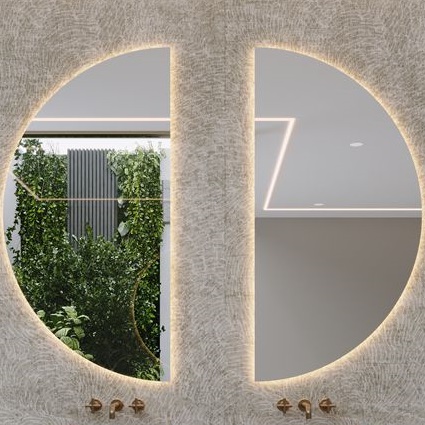
When designing a bathroom, choosing the right bathroom porcelain wall tile trim is key to achieving a polished and durable finish. Tile trims do more than just protect the edges of your tiles—they add style, ensure longevity, and create a seamless transition between tiles and other surfaces. The benefits of the right trim include protecting tile edges from chipping, enhancing aesthetics, and adding a professional touch to the overall look.
In this guide, we’ll explore everything you need to know to bathroom porcelain wall tile trim that perfectly complements your area’s style. From types and styles to insider tips, we’ll cover all aspects to help you make the best choice for your bathroom walls.
Why Bathroom Porcelain Wall Tile Trim Matters
Bathroom porcelain wall tile trim plays a crucial role in both the function and appearance of bathroom walls. This essential finishing element protects tile edges from chipping, moisture infiltration, and wear over time, significantly enhancing the durability of your tiles. Beyond protection, tile trim adds a refined, cohesive look that elevates the overall design, ensuring a professional finish that complements the beauty of porcelain wall tiles.
When you choose the right bathroom porcelain wall tile trim, you’re not only investing in the longevity of your bathroom tiles but also adding to the aesthetic appeal. A well-chosen trim seamlessly frames the tiles, tying together the style of your space and giving your bathroom a polished, complete look. Whether you’re aiming for a minimalist or intricate design, tile trim is the detail that makes it all come together.
Key Considerations When Choosing Tile Trim for Bathroom Walls
When you choose tile trim for your bathroom walls, several factors come into play to ensure it complements both your bathroom porcelain wall tile trim and the overall space. The right tile trim not only completes the look but also enhances the durability and style of your bathroom. Here are some essential considerations to help guide your choice.
Understand Your Bathroom Style and Tile Design
Before you choose tile trim, consider your bathroom’s overall style and the design of your tiles, especially if you’re working with decorative porcelain bathroom tiles. Trim style should reflect the personality of your space, whether it’s classic, modern, or eclectic. Sleek, minimal trims work well for contemporary designs, while more ornate trims can enhance traditional or vintage settings. Matching trim with the style of your tiles will bring cohesion and harmony to your bathroom’s look.
Choose Tile Trim That Complements Porcelain Tile Color and Texture
When selecting trim for decorative porcelain tiles, focus on coordinating color and texture. Trim that echoes the color of your tiles can create a seamless look, while contrasting shades can add a bold, framed effect. Texture is another important factor; a matte trim works beautifully with matte porcelain tiles, while a glossy trim can add a hint of sophistication to high-gloss surfaces. Taking the time to choose tile trim that aligns with both color and texture ensures a visually pleasing, cohesive look for your bathroom walls.
Matching Tile Trim Finish with Other Bathroom Fixtures
The finish of your tile trim can tie your design together by complementing other fixtures in the bathroom. To finish porcelain tile edges seamlessly, consider trim finishes that match or complement hardware, faucets, and lighting elements. Chrome, brushed nickel, and matte black finishes are popular choices that can create a cohesive, high-end look. By aligning your tile trim with other finishes in your bathroom, you’ll achieve a balanced and polished aesthetic that feels intentional and complete.
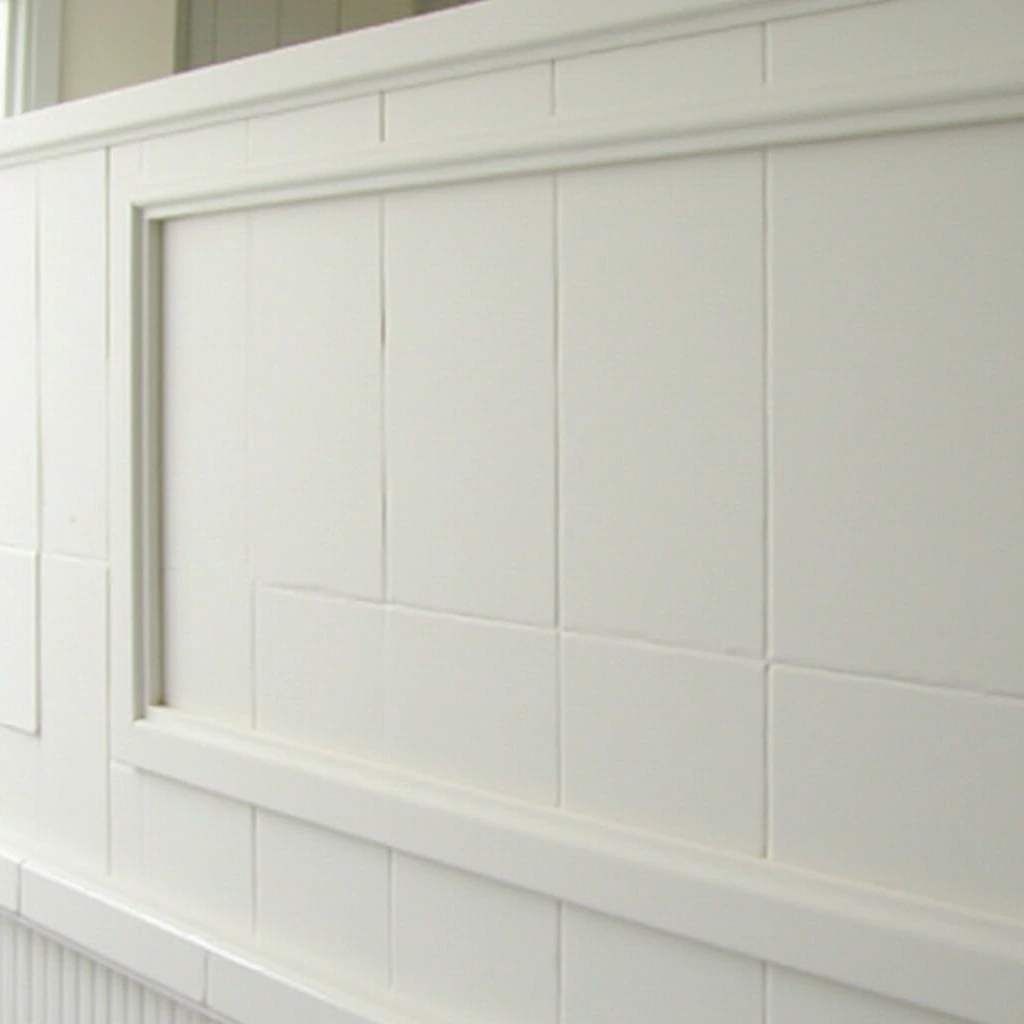
Popular Materials for Bathroom Porcelain Wall Tile Trim
When choosing the best materials for tile trim for your bathroom porcelain wall tile trim, it’s essential to consider durability, appearance, and cost. Each material has unique qualities that can enhance the look and longevity of your bathroom’s tile edges. Here’s a closer look at some of the most popular materials available.
Aluminum Tile Trim
Aluminum tile trim is a lightweight and durable option that works well in modern bathrooms. Known for its resistance to corrosion, this type of trim provides a sleek, minimalist finish that complements contemporary styles. While aluminum is sturdy and affordable, it may be prone to scratches if not handled carefully. Nevertheless, aluminum bathroom wall tile trim is an excellent choice for those who need both functionality and style.
PVC Tile Trim
For a budget-friendly option, PVC tile trim is widely chosen. This trim is waterproof, lightweight, and available in various colors and finishes, making it highly versatile for different designs. Its waterproof quality makes PVC bathroom wall tile trim a practical solution for high-moisture areas in the bathroom. Although it may lack the luxurious feel of metal trims, PVC offers reliable durability at a lower price point.
Stainless Steel Tile Trim
For a stylish and resilient finish, stainless steel tile trim is a top choice. This material is known for its durability and modern look, offering a rust-resistant option that fits well with contemporary bathroom aesthetics. Although stainless steel tile trim may come at a higher cost, it provides a high-end, polished appearance and is ideal for those who want a long-lasting, sophisticated finish.
Porcelain Tile Trim
Bathroom porcelain wall tile trim using porcelain tile trim is an excellent choice for a cohesive look, especially with decorative wall tiles. Porcelain trim blends seamlessly with porcelain tiles, creating a harmonious finish that matches in both color and texture. While porcelain trim can be more costly, it offers a refined, luxurious look that’s perfect for bathrooms with an elegant design. For a truly cohesive and polished finish, bathroom porcelain wall tile trim is the ideal solution.
How to Finish Porcelain Tile Edges for a Polished Look
Creating a polished finish for your bathroom porcelain wall tile trim not only protects the tile edges but also elevates the overall aesthetic of your bathroom. Knowing how to finish porcelain tile edges properly ensures a smooth, professional appearance and prolongs the life of your tiles. Here are two popular methods for achieving that polished look.
Use Tile Trim for Smooth Edges
Using tile trim is one of the best ways to finish porcelain tile edges with a clean, seamless effect. Adding bathroom porcelain wall tile trim helps conceal rough tile edges and provides protection from chipping or cracking. Tile trim is available in a variety of materials, such as aluminum, PVC, and stainless steel, each offering unique finishes to match your bathroom’s design. By incorporating tile trim, you create smooth, professional edges that elevate the entire look of your bathroom, giving it a refined and cohesive appearance.
Consider Bullnose Tiles for a Rounded Edge
For a softer, rounded finish, bullnose tiles are an excellent alternative to traditional tile trim when looking to finish porcelain tile edges. Bullnose tiles are specially designed with one rounded edge, making them ideal for areas like wall edges, countertops, and shower niches. This option is especially useful in spaces where you want a continuous, gentle transition without sharp edges. Bullnose tiles provide both functionality and style, offering a visually pleasing way to complete your bathroom’s porcelain tile layout.
Tips for Installing Bathroom Porcelain Wall Tile Trim
Proper installation of bathroom porcelain wall tile trim is key to achieving a smooth, professional finish. Here are a few essential tips to help you choose tile trim and install it accurately for a polished result.
- Measure Carefully: Before cutting any trim, measure the length of each edge you’ll be trimming. Precise measurements help avoid gaps and ensure the trim pieces fit seamlessly along the tile edges.
- Choose the Right Trim Type: When you choose tile trim, consider both the style and material to match your tiles and bathroom aesthetic. This choice impacts not only the look but also the durability of your bathroom porcelain wall tile trim.
- Cut with Precision: Use a quality tile saw or miter box to make clean cuts on the trim pieces. Accurate cuts are crucial for ensuring each trim piece lines up perfectly, especially at corners and junctions.
- Align Carefully During Installation: When placing the bathroom porcelain wall tile trim, make sure it is level and aligned with the tile edges. Use spacers or a leveling tool to achieve consistent placement and prevent any shifting while the adhesive sets.
By following these tips, you’ll achieve a well-installed, long-lasting trim that enhances the look and durability of your bathroom’s tile work.
Incorporating bathroom porcelain wall tile trim into your bathroom design is an essential step in achieving both a functional and stylish finish. Whether you’re looking to protect tile edges or enhance the overall aesthetic, knowing how to choose tile trim can make a big difference. Be sure to explore related options like decorative bathroom tiles, decorative porcelain tiles, and decorative wall tiles to find the perfect complement for your trim selection. With the right trim and tile combination, your bathroom will have a professional, polished look that stands the test of time.